

Snorkeling vs. Diving in Marsa Alam: Which Is Best for You?
Marsa Alam is consistently recognized as the most pristine stretch of Egypt’s Red Sea, making it a perfect destination for any water activity. The crystal-clear, warm waters are teeming with life, from the smallest nudibranchs to the most majestic dugongs.
However, when planning your trip to Marsa Alam, a key choice emerges: should you stick to the surface and snorkel, or strap on a tank and dive? The answer depends entirely on your budget, time, skill level, and—most importantly—what you hope to see.
This guide provides a head-to-head comparison of snorkeling versus diving in Marsa Alam, helping you choose the underwater adventure that’s best for you.
1. Depth and Exploration: The View from Above vs. Below
The fundamental difference lies in perspective and accessibility.
Snorkeling: Surface-Level Spectacle
Snorkeling restricts you to the top 1 to 3 meters (3 to 10 feet) of the water column.
- View: The experience is dynamic and colourful, focusing on the tops of the coral gardens, the vibrant reef fish that feed near the surface, and the shallow sandy areas.
- Accessibility: Snorkeling allows easy access to many of Marsa Alam’s famous shallow bays directly from the beach or resort jetties.
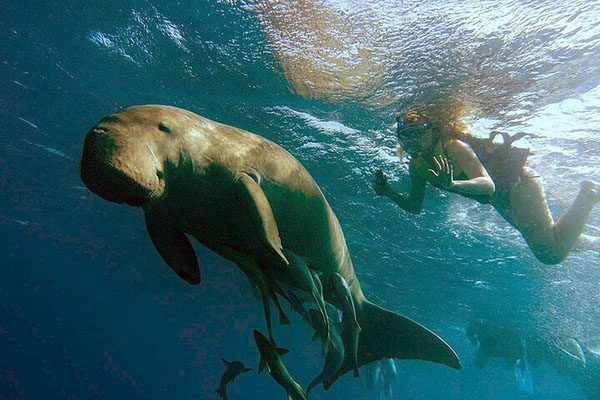
- Marine Life: Critically, some of the most sought-after animals—the Green Sea Turtles and the rare Dugong—feed on seagrass meadows in water as shallow as 2 meters, placing them perfectly in the snorkeler’s view.
Scuba Diving: Immersive Immersion
Diving gives certified adventurers access to depths up to 18 meters (Open Water) or 30 meters (Advanced Open Water), opening up the entire underwater world.
- View: Divers can explore the entire vertical face of a reef wall, discover hidden caverns, and spend time in the deeper canyons. It offers a feeling of true immersion, where you become part of the environment rather than just observing it.
- Accessibility: Diving is required for the region’s best-known offshore sites like Elphinstone Reef, where the famous drop-offs attract oceanic whitetip sharks and other pelagic species.
- Marine Life: The experience allows you to get closer to smaller, shyer creatures that retreat when disturbed by surface movement, and see deeper species like moray eels, blue-spotted rays resting on the sand, and deep, pristine soft corals.
2. Time, Cost, and Training: Commitment Levels
The required investment in time and money is a significant factor.
Feature /Snorkeling /Scuba Diving
Training Required /None. Basic swimming ability is sufficient. /Yes. Requires 3-4 days for an Open Water Certification (or a single DSD Try-Dive).
Equipment & Cost /Minimal (Mask, Snorkel, Fins). Highly Affordable. /Extensive (Tank, BCD, Regulator, Wetsuit). More Expensive due to gear and courses.
Time Commitment /Very flexible. Can be done for 30 minutes or all day. /Less flexible. Requires briefings, gear checks, and surface interval time between dives.
Age/Fitness /Great for all ages (families) and all fitness levels. /Minimum age 10 years old; requires health clearance and moderate physical fitness.
Snorkeling allows you to spontaneously jump into the water when the mood strikes, making it perfect for a relaxed family holiday where water time is a fun supplement to the main vacation. Diving requires a more serious commitment, usually dedicating several days to a course or planning full-day excursions.
3. Best Sites: Where to Go in Marsa Alam
Both activities thrive in Marsa Alam, but they are often focused on different types of sites:
Marsa Alam’s Snorkeling Paradise
The shallow, clear bays are perfect for snorkelers. A day trip to any of these sites is highly rewarding:
- Abu Dabbab Bay: The best place for almost guaranteed sightings of Green Sea Turtles feeding on the seagrass. Ideal for families and beginners due to calm, sandy shore entry.
- Marsa Mubarak: Another protected bay famous for the rare Dugong (Sea Cow) and large rays.
- Sha’ab Samadai (Dolphin House) / Sataya Reef: Snorkeling excursions here offer the thrilling, regulated chance to swim with large pods of wild Spinner Dolphins in their natural habitat.
Marsa Alam’s Diving Highlights
Diving opens up the world-famous offshore reefs:
- Elphinstone Reef: A diver-only site, famed for its dramatic walls and the possibility of encountering Oceanic Whitetip Sharks.
- St. John’s and Daedalus Reef: Remote, advanced sites (often accessed via liveaboard) that require depth and skill, offering vast coral formations and large schools of Hammerhead Sharks.
The Verdict: How to Decide
If your goal is to have a relaxed, budget-friendly trip with guaranteed sightings of turtles and dolphins, snorkeling in Marsa Alam is the unparalleled choice. The shallows here are world-class.
If you are an adventure-seeker willing to invest in training to explore remote walls, deep canyons, and pursue iconic pelagic sharks, then scuba diving is the ultimate key to unlocking the Red Sea’s truest treasures. Many certified divers also bring their snorkel gear to enjoy the shallow-water dugong and turtle bays!
0 Comment