
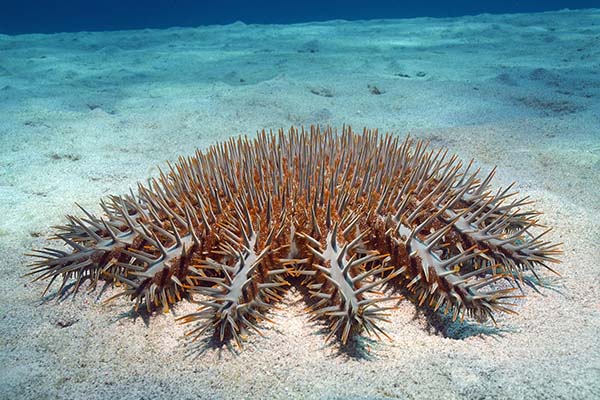

The Complex Challenge: Crown-of-Thorns Starfish (Acanthaster planci) Outbreaks & Reef Health in Marsa Alam
The coral reefs of Marsa Alam are celebrated for their vibrant health and extraordinary biodiversity. However, like all reefs globally, they face a range of complex challenges. One of the most significant and well-documented natural threats comes from within the ecosystem itself: the Crown-of-Thorns Starfish (Acanthaster planci). While this spiny echinoderm is a natural predator of coral, its population can sometimes explode into devastating “outbreaks” that can decimate large areas of reef. Understanding the dynamics of these outbreaks and their implications for the future of Marsa Alam’s precious corals is vital for responsible divers and conservationists. Sambo Divers Marsa Alam is committed to monitoring reef health and participating in the ongoing efforts to protect these essential ecosystems.
Understanding Crown-of-Thorns Outbreaks: A Delicate Balance Lost
In a healthy reef ecosystem, the Crown-of-Thorns Starfish (Acanthaster planci) exists in relatively low numbers. Their predation on corals, especially fast-growing species, can even be beneficial, promoting coral diversity by creating space for new, slower-growing corals to establish. The problem arises when their populations skyrocket, leading to an outbreak.
- Causes of Outbreaks: The exact triggers for CoTS outbreaks are complex and often debated, but several factors are believed to play a role:
- Loss of Natural Predators: The removal of natural predators, such as the Giant Triton’s Trumpet Snail (Charonia tritonis) (often targeted for its shell), and certain species of triggerfish and pufferfish, can allow CoTS populations to grow unchecked.
- Nutrient Runoff: Increased nutrient levels in coastal waters (from agriculture, sewage, etc.) can boost the survival rates of CoTS larvae, leading to higher recruitment.
- Climate Stress: While not a direct cause, stressed coral reefs (e.g., from bleaching events) might be more vulnerable to CoTS predation, or changes in ocean currents and temperatures could impact larval dispersal and survival.
- Devastating Impact: During an outbreak, thousands of CoTS can sweep across a reef, consuming vast amounts of coral tissue. They typically leave behind bleached, dead coral skeletons. Their preference for fast-growing branching and plating corals (like Acropora spp., which are the primary reef-builders in many areas of Marsa Alam) means their impact can be particularly severe, stripping the reef of its structural complexity and the habitat it provides for countless other species.
- Ecological Cascade: The loss of coral cover leads to a cascade of negative effects:
- Reduced Fish Populations: Fish that rely on coral for food, shelter, and breeding grounds will decline.
- Loss of Biodiversity: The entire reef ecosystem becomes less diverse and resilient.
- Erosion: Dead coral skeletons eventually erode, leading to loss of reef structure and reduced coastal protection.
Monitoring and Management in Marsa Alam and the Red Sea
The Red Sea, including the reefs around Marsa Alam, has generally been considered more resilient to some global threats, but CoTS outbreaks are a concern that requires constant vigilance.
- Active Monitoring: Dive centers, marine parks authorities, and local conservation groups in Marsa Alam play a crucial role in monitoring CoTS populations. Divers are often encouraged to report sightings, especially if they observe an unusually high number of starfish or significant coral damage. This information helps to track potential outbreaks.
- Manual Culling Programs: When an outbreak occurs, direct human intervention, primarily through manual removal or culling, is often necessary to protect vulnerable reefs. This involves divers carefully collecting or injecting the starfish with a harmless substance (like vinegar) to kill them. This work requires specialized training to be effective and safe (due to the venomous spines).
- Conservation of Predators: Efforts to protect the natural predators of CoTS, such as the Giant Triton’s Trumpet Snail, are also important long-term strategies.
- Addressing Root Causes: Ultimately, long-term solutions involve addressing the potential underlying causes of outbreaks, such as reducing nutrient runoff from land-based sources and mitigating the effects of climate change.
What Divers Can Do: Contributing to Reef Health in Marsa Alam
As a diver in Marsa Alam, you have a role to play in helping protect the reefs from Crown-of-Thorns Starfish outbreaks:
- Report, Don’t Touch: If you see an unusually high concentration of Acanthaster planci or observe fresh coral damage, immediately report it to your Sambo Divers guide. Never attempt to remove or harm a CoTS yourself, as their spines are venomous and improper removal can worsen the problem.
- Perfect Buoyancy: Maintain excellent neutral buoyancy at all times. This prevents accidental contact with corals, including potentially camouflaged CoTS, and avoids stirring up sediment that can stress corals.
- Support Responsible Operators: Choose dive operators like Sambo Divers Marsa Alam who prioritize marine conservation, adhere to environmental best practices, and actively participate in reef monitoring and protection efforts.
- Learn and Share: Educate yourself and others about the challenges facing coral reefs, including CoTS outbreaks, and advocate for broader conservation initiatives.
The presence of the Crown-of-Thorns Starfish (Acanthaster planci) in Marsa Alam highlights the complex and sometimes challenging dynamics of healthy reef ecosystems. While a natural part of the environment, understanding their potential for outbreaks and supporting effective management strategies is vital for the long-term health of the Red Sea’s magnificent coral reefs. Sambo Divers Marsa Alam is your partner in exploring these wonders responsibly and contributing to their lasting protection.

0 Comment