
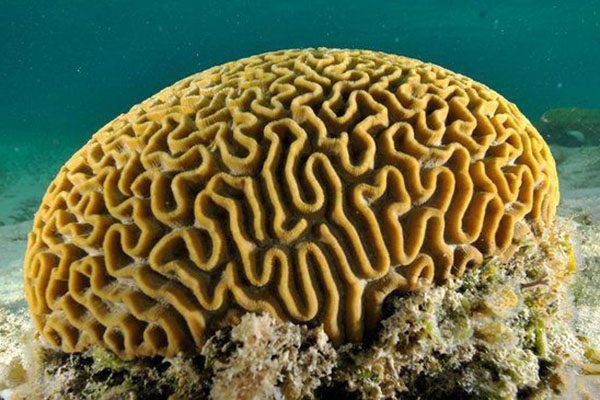

The Living Labyrinths: Ecology & Importance of Brain Coral (Platygyra spp.) in Marsa Alam
Beneath the clear waters of Marsa Alam, the coral reefs are not merely a collection of individual organisms but a sprawling, interconnected living city. Forming the very backbone of this city are the majestic Brain Coral (Platygyra spp.). With their distinctive, convoluted surfaces resembling intricate labyrinths, these hard corals are more than just visually captivating; they are foundational reef builders, highly resilient, and vital to the long-term health and stability of the Red Sea’s underwater ecosystems. Understanding the complex ecology and immense importance of Platygyra spp. in Marsa Alam provides a deeper appreciation for the enduring power and resilience of these marine architects. Sambo Divers Marsa Alam is dedicated to exploring and protecting these vital underwater treasures.
Ancient Builders: The Ecology and Survival of Platygyra spp.
Platygyra spp. are colonial, hermatypic (reef-building) stony corals. Their ecological success and longevity are attributed to several key biological adaptations:
- Primary Reef Builders: Brain corals are among the most significant contributors to the structural mass of coral reefs. Their dense, massive, and often hemispherical colonies provide a robust and stable foundation for the entire reef. Unlike fast-growing branching corals that offer immediate complexity, brain corals build the long-term, enduring framework that supports thousands of other species over centuries.
- Symbiotic Partnership (Zooxanthellae): At the heart of their energy production and growth is a crucial symbiotic relationship with microscopic, single-celled algae called zooxanthellae. These algae live within the coral polyps’ tissues and perform photosynthesis, converting sunlight into energy. The vast majority (up to 90%) of the coral’s nutritional needs are met by the sugars produced by these algae. In return, the coral provides the zooxanthellae with a protected environment and essential compounds. This efficient energy production fuels the coral’s calcification (skeleton building).
- Colonial Growth in Meandering Valleys: A single brain coral colony consists of numerous polyps. In Platygyra spp., these polyps are arranged in continuous, meandering rows within the “valleys” of the coral skeleton. Unlike corals where each polyp has its own distinct wall, Platygyra polyps share common walls, allowing for efficient growth and nutrient sharing across the colony.
- Nocturnal Feeding: While primarily powered by sunlight via their zooxanthellae, brain coral polyps are also opportunistic predators. At night, they extend their tentacles to capture microscopic plankton and other suspended organic particles from the water column, supplementing their diet.
- Exceptional Longevity: Due to their slow growth rate and robust structure, individual brain coral colonies can live for many decades, even centuries. These ancient living structures are testament to the resilience of the reef and act as vital historical records of environmental change.
- Resilience to Stressors: Compared to delicate, fast-growing branching corals, massive brain corals like Platygyra spp. are often more resilient to certain environmental stressors such as strong wave action, sedimentation, and even some levels of thermal stress (though they are not immune to severe bleaching events). Their compact form and dense skeleton offer greater protection.
Ecological Importance in Marsa Alam’s Ecosystem
The ecological significance of Platygyra spp. extends beyond just building the reef’s structure:
- Habitat and Shelter: The solid, massive structures of brain corals provide crucial shelter and protection for numerous reef inhabitants. Their crevices and undercuts offer hiding spots for small fish, crustaceans, and other invertebrates.
- Stable Substrate: Their robust surfaces provide a stable attachment point for other sessile organisms, including sponges, anemones, and other coral species, further increasing the reef’s biodiversity.
- Foundation for Food Webs: As primary producers (through zooxanthellae) and opportunistic predators, they form a fundamental part of the reef’s complex food web.
Threats and Conservation Challenges in Marsa Alam
Despite their inherent resilience, Brain Coral (Platygyra spp.) in Marsa Alam, like all corals globally, faces increasing threats:
- Climate Change: Rising sea temperatures can lead to coral bleaching, where the corals expel their symbiotic zooxanthellae. While massive corals like Platygyra may be somewhat more resilient than branching corals, severe or prolonged bleaching events can still cause significant mortality. Ocean acidification, caused by increased CO2 absorption, also hinders their ability to build and maintain their calcium carbonate skeletons.
- Physical Damage: Although robust, large colonies can still be damaged by boat anchors, irresponsible diving practices, or strong storms. Given their slow growth rate, recovery from such damage can take many decades.
- Pollution and Sedimentation: Runoff from coastal areas can introduce pollutants and increased sedimentation, which can smother polyps and reduce light penetration, negatively impacting the zooxanthellae.
Sambo Divers Marsa Alam: Partners in Reef Protection
The Brain Coral (Platygyra spp.) is a silent sentinel of Marsa Alam’s Red Sea, embodying the enduring power and intricate beauty of its coral reefs. Sambo Divers Marsa Alam is committed to their preservation:
- Promoting Responsible Diving: We educate divers on maintaining exemplary buoyancy and avoiding any contact with coral structures, recognizing the slow growth and vulnerability of these long-lived colonies.
- Awareness and Education: We highlight the critical role of massive corals like Platygyra in reef health and resilience, fostering a deeper appreciation among our divers.
- Supporting Conservation: By adhering to best practices and contributing to local monitoring efforts, Sambo Divers plays a part in protecting Marsa Alam’s precious marine ecosystems.
To explore the majestic Brain Coral (Platygyra spp.) in Marsa Alam is to witness the very foundation of the Red Sea’s extraordinary underwater world. Join Sambo Divers Marsa Alam for an enriching dive experience, where you can safely appreciate these ancient “living labyrinths” and contribute to their ongoing preservation for future generations.

0 Comment